

The Room CS leaders need to grow
CS leadership doesn’t fail because of effort.
It fails because too many leaders are operating alone.
If you’ve been in Customer Success leadership for any amount of time, you know this feeling.
You’re expected to:
scale outcomes
influence revenue
lead and develop teams
manage stakeholders across Sales, Product, and Leadership
stay “strategic” while everything around you is on fire
And you’re expected to do it calmly.
Confidently.
With answers.
Often without a real operating system.
And almost always without peers who truly understand the pressure.
That’s the part no one really prepares you for.
I know this because I’ve lived it
I’ve been in Customer Success leadership for over a decade.
I’ve led CS in:
early-stage startups at ~€2M ARR
scaling companies at €5M ARR
more mature businesses at €10M+ ARR
I’ve been in environments where:
Net Revenue Retention was hovering around 85%
churn conversations felt reactive and defensive
CS was seen as “important” but not commercial
And I’ve been part of building systems where:
NRR moved north of 130%
expansion became intentional, not accidental
CS earned a real seat at the table
I’ve felt the difference between working harder
and working inside a system that actually holds.
And I’ve also felt the loneliness that comes with leadership at every stage.

The quiet truth about CS leadership
At some point, the questions change.
You’re no longer asking:
“What should I do next?”
You’re asking:
“What do I trade off?”
“Do I push the customer or protect the relationship?”
“Do I escalate this or absorb the impact?”
“Is this a people problem, or a system problem?”
“Are we scaling too fast… or not fast enough?”
These are not questions you can always process with your team.
And most people outside CS don’t fully understand the nuance.
So you carry it.
You make the call.
You move on.
Over time, it’s not the workload that drains CS leaders.
It’s decision fatigue in isolation.
This is why I started building CS Connect
I didn’t set out to “build a community”.
CS Connect has been around for almost 7 years now.
In that time, I’ve spoken to hundreds of CS leaders across stages, industries, and regions.
And one pattern keeps showing up.
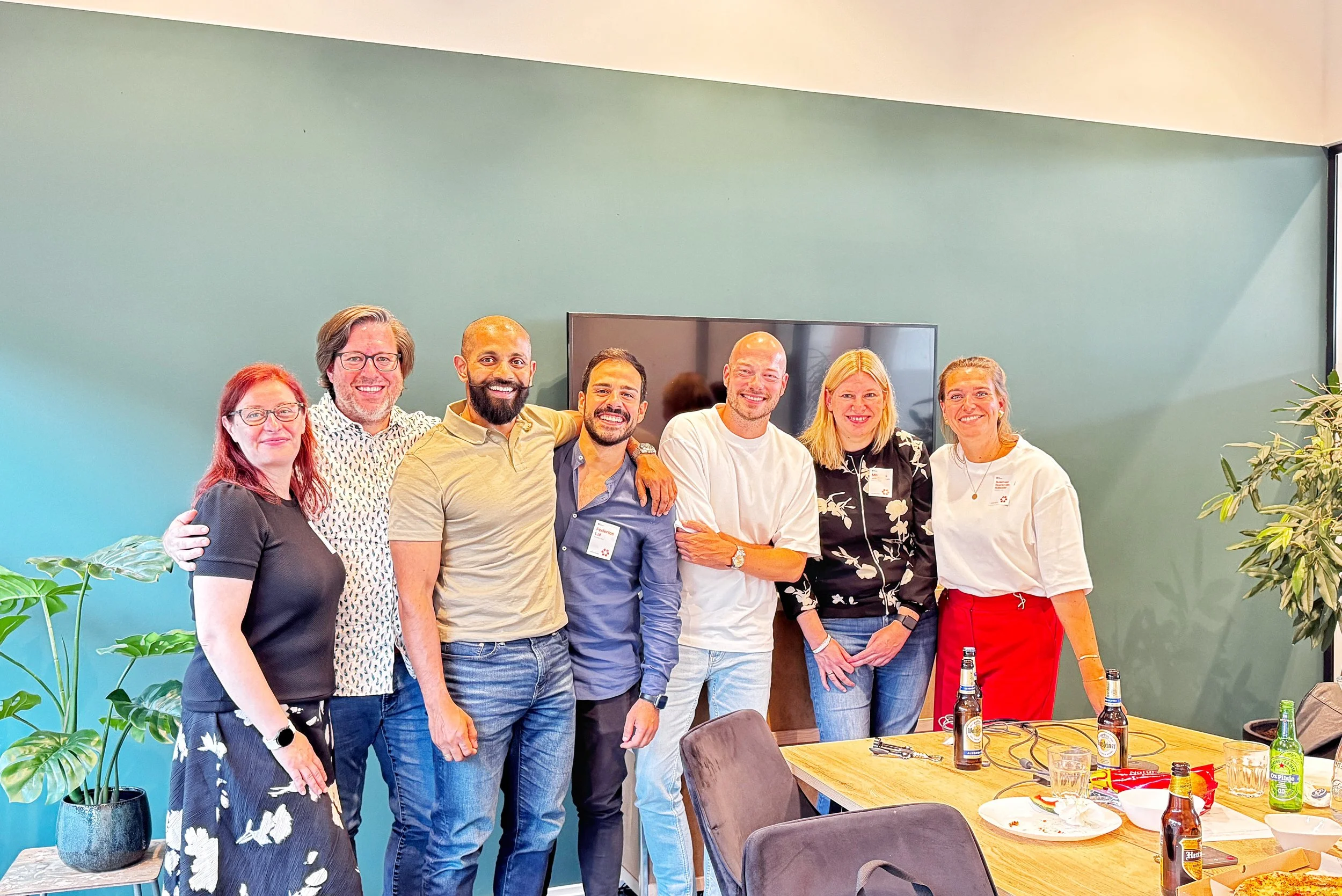
When CS leaders finally sit down together, something shifts.
I often joke that CS Connect events feel like a healthy AAA meeting.
There’s honesty.
There’s openness.
There’s relief.
People say things like:
“I thought it was just me.”
“I’ve never said this out loud before.”
“I’m dealing with the exact same thing.”
No posturing. No pretending. No LinkedIn-polished answers.
Just real leaders, talking through real problems.
That’s when better thinking happens.
What I mean by “the room”
When I say I’m building the room CS leaders need to grow, I don’t mean:
another Slack group
motivational content
performative networking
recycled frameworks with new labels
A room is something different.
A room is:
a place to think clearly
peers who challenge your assumptions, not just agree
systems that replace guesswork
conversations that don’t require posturing
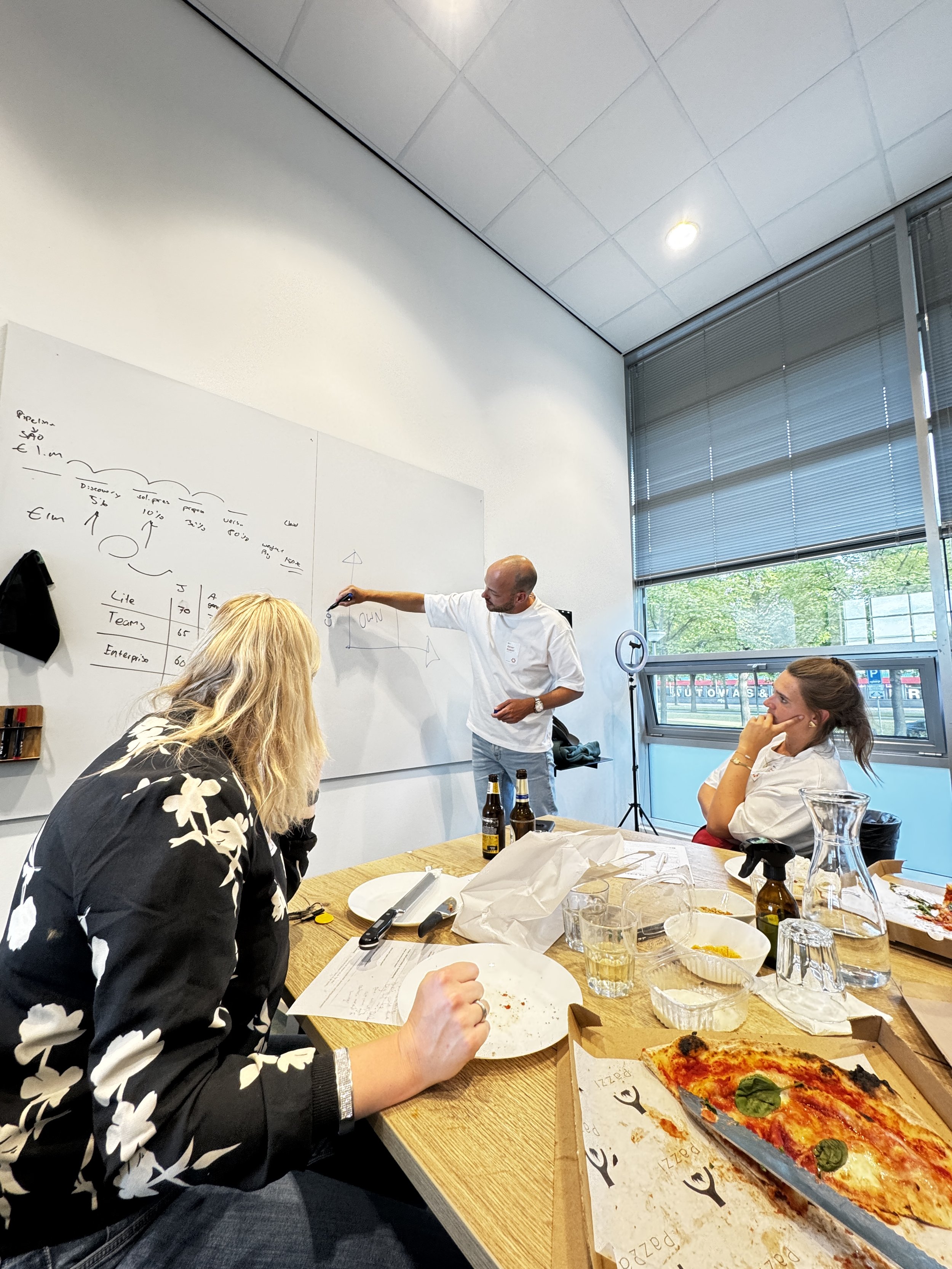
Inside CS Connect, the focus is deliberately narrow: systems and peers.
Not opinions. Not noise. Not vanity metrics.
Make it stand out
Systems + peers is the unlock
Most CS problems aren’t people problems. They’re missing-system problems.
Inside CS Connect, we spend time on things like:
onboarding journey maps (not one-size-fits-all checklists)
customer segmentation with real consequences
clear rules of engagement for CSMs
cross-team processes that actually hold under pressure
leadership decision-making when the answers aren’t obvious
But systems alone aren’t enough.
Peers are what make systems work.
Peers give you:
perspective when you’re too close to the problem
pattern recognition you only get through shared experience
the confidence to say, “I’m going to do this differently.”
Who CS Connect is for
CS Connect is not about seniority. It’s about mindset.
It’s for:
people stepping into CS leadership for the first time
leaders scaling teams in fast-moving SaaS environments
experienced CS leaders who want sharper thinking, not more noise
Different stages. Same reality.
Everyone is trying to:
lead better
make clearer decisions
build CS that actually scales
do it without burning out or feeling alone
Why contribution matters
This isn’t a community you “consume”.
CS Connect works because people contribute:
their experiences
their failures
their lessons
their questions
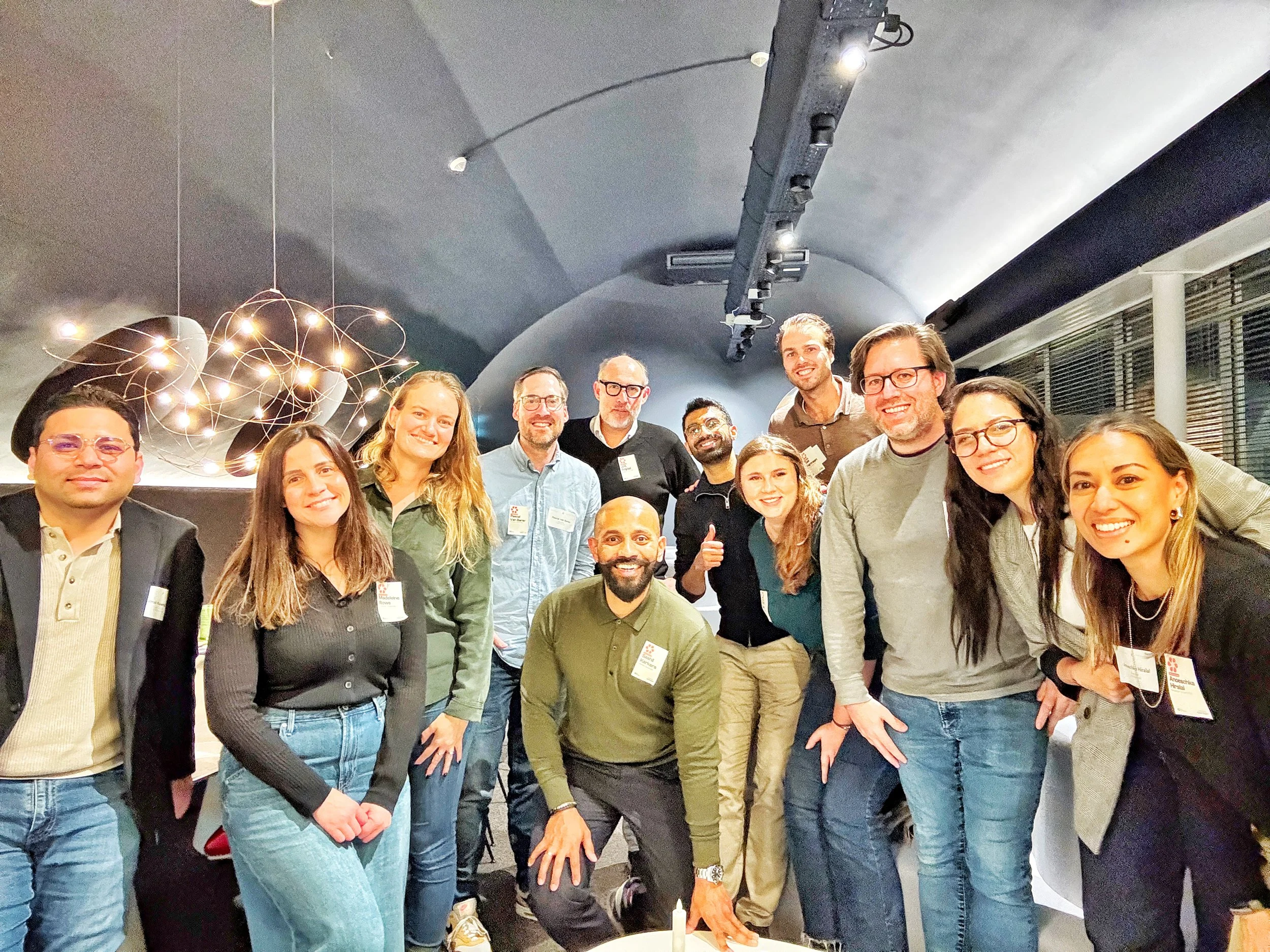
Every honest conversation levels up CS leadership as a whole.
When CS leaders lean on each other, the function gets stronger.
The standards get higher.
The profession matures.
That’s the real goal.
Not growth for growth’s sake.
But better CS leadership, collectively.
If this resonates
felt the weight of CS leadership decisions
wished you had a place to think out loud
wanted fewer opinions and more execution
believed CS leaders should help each other level up
You’re already aligned with what CS Connect stands for.
This blog is the long version of the pinned post.
The posts you see on LinkedIn are fragments of the same thinking.
The events, rooms, and conversations are where it comes alive.
If you want to be part of the room and help shape what CS leadership becomes next
You’re very welcome to join us.
And even more welcome to contribute.
